NYC Legend Lem from Mood II Swing talks House Music.
Updated: Jul 10
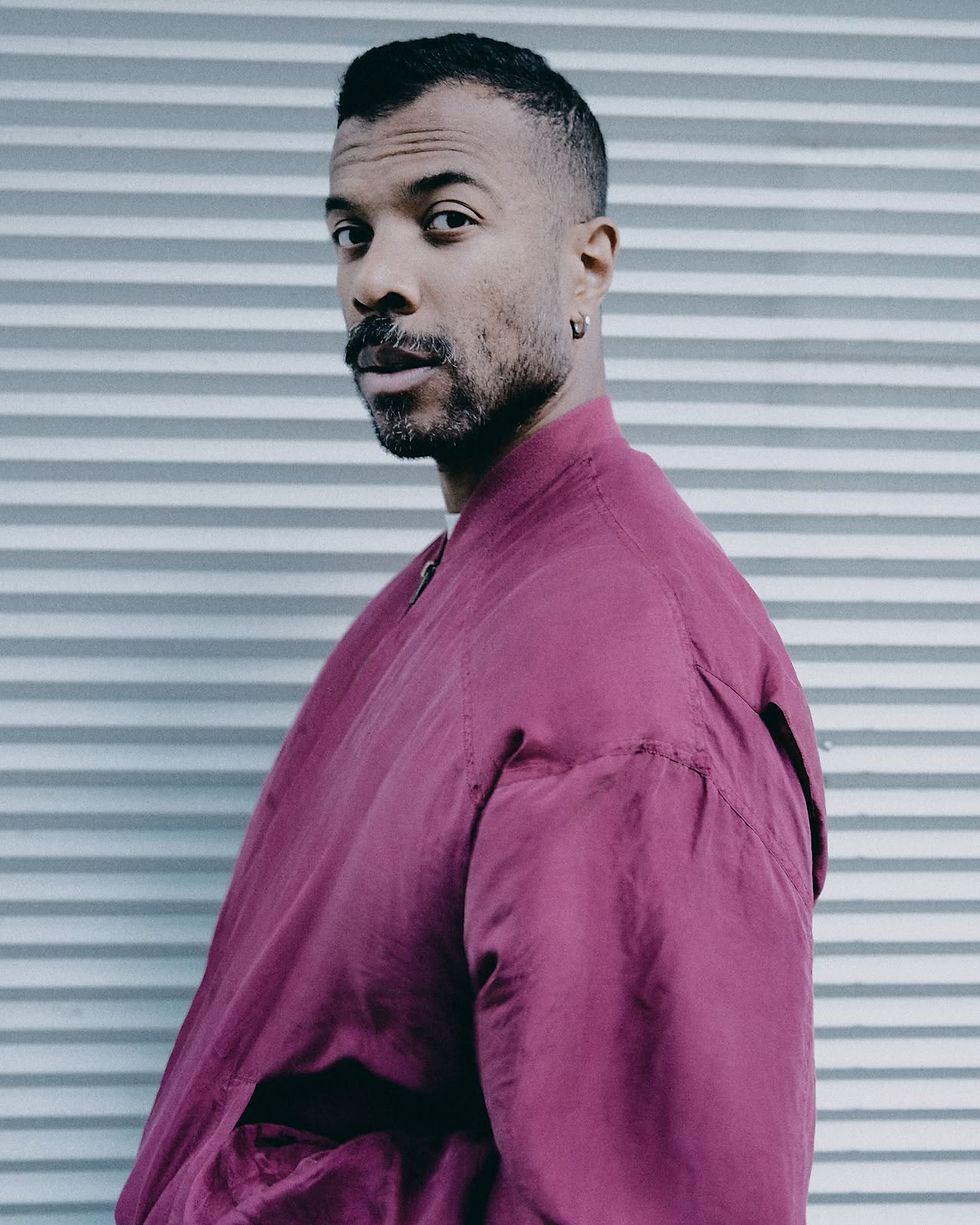
Ahead of his set at Handsome this Saturday, I had the pleasure of speaking with the NYC house legend and songwriter producer.
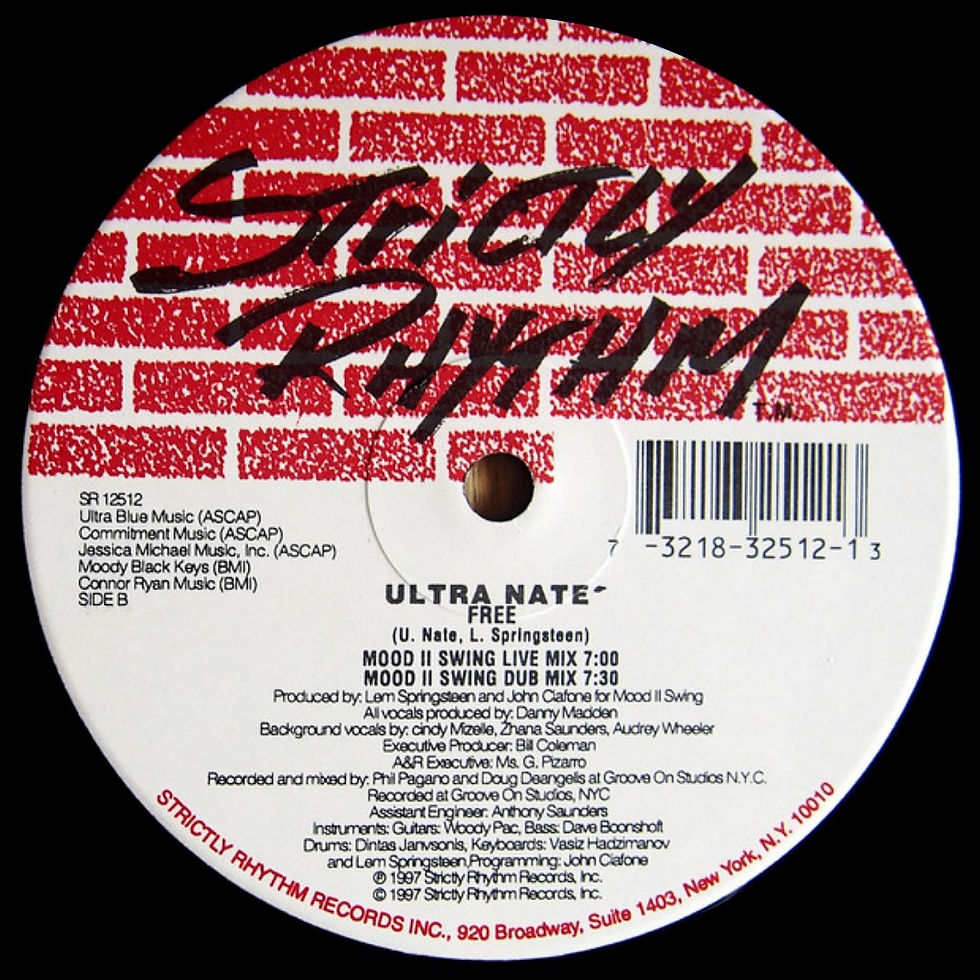
For old househeads like me, Lem Springsteen and John Ciafione are up there with Kenny Gonzalez and Louie Vega and Farley and Heller when it comes to production duos. As Mood II Swing, they put out some of the slickest New York sounds for the dance floor as well as being behind era-defining tracks such as Barbara Tucker’s ‘Beautiful People’ and Ultra Nate’s ‘Free’. A recent video from Amnesia showed Marco Carola closing his set with the latter to a packed ecstatic people who were likely not born when it was released: arms raised, singing along to an anthem that has made memories for generations of clubbers.
As I had no idea that Lem now lived in London, it came as a pleasant surprise in May when I was told that he had turned up to Handsome to see another house legend, Robert Owens, who was headlining the night. After an introduction we got talking that was later taken to Instagram (yeah, Gen X gets digital), and he accepted my invite to play. For someone who grew up listening to both artists, it goes without saying what a buzz it is to have these guys play at our parties.
A native New Yorker, Lem grew up in a family that had musical connections. His father had business with the Commodores and both his parents were friends with the mother of funk and boogie maestro Vaughn Mason, who in a later incarnation would play an important role in house music as the founder of Raze. He and his brother were taught music by Mason, and it was this early foundation and Lem’s songwriting abilities that later brought him further into the industry.
“I submitted songs to Daryl Hall from Hall & Oates, to Nicole from the Pussycat Dolls, and the lawyer that I had at the time would always say, ‘Oh, you got so close, but they turned the song down at the last minute’,” he says over Zoom. “It was difficult to try to be the songwriter producer, unless you had really big people behind you,”. As well as pitching songs for major stars, he and John Ciafone had formed their own band inspired by Soul II Soul. “It was me and John, this female singer and a fierce, Black guy with a high falsetto voice.”
It was while they were shopping their music around in New York that they were introduced to Louis Vega. “One of our dancers that worked with us was dating a close relative of Louie at the time. He was looking to sign us but things didn’t work out and John and I eventually dropped out of the group. But Louie invited us back to his studio, I guess we stood out in some way, and we started playing on some of the remixes he was making back then. He was remixing for people like Queen Latifah, Jody Watley, Madonna, doing the radio edits as well as the club and dub mixes. It was through Louie’s contacts and influence that Mood II Swing was formed.”
The remixing and production side of the business were what they originally became known for. “All my dreams of writing for these huge artists like Justin Timberlake went out the window,” he says. “Remixing, production, that became my job for ten years and I’ll be honest, it wasn’t really my forte. There was me playing new music on somebody else's song and there was a part of me thinking, ‘What am I doing?’” For someone who doesn’t consider this work his forte, their production output and quality earned a cache as remixers to match their mentors, Masters At Work.

As part of the house establishment in his twenties, Lem was working long hours in the studio by day and hitting the seminal clubs at night. On Saturdays he’d go to Sound Factory listening to Junior Vasquez and Frankie Knuckles. “Sometimes there’d be live pianos and strings on Frankie Knuckles remixes and vocals. Junior would be playing the early Liz Torres stuff. Some of it was just bass lines and a beat. It was hot.”
“My years in New York really set my love for house music,” he continues. “I don't think if I’d grown up in a different city that I would have the same love for it. The Sound Factory was the most diverse gay crowd I've ever seen. It was all these different tribes: muscle boys, the jocks, drag queens, Spanish, Asian, Black - everyone. It was like the whole gay community turned up. A lot of celebrities would show up too. I was actually watching the night that Madonna picked her dancers for ‘Vogue’ there. She was staring at Jose and that crowd voguing and I remember watching her. It was one of many memories I have of that time. It’s what made New York so special back then.”
It was at Sound Factory Bar, the main club’s nearby sister venue, that held Louie Vega’s ‘Underground Network’ on Wednesdays, a night now in the canon of house lore that exerted enormous influence over the scene's creator and artists. “We would all be there just listening to what's going on. They would all play, Frankie Knuckles, David Morales, Louis would play our remixes. I’d see Todd Edwards, C&C Music Factory, and different singers would pop in. Barbara Tucker was the host so she would usually perform or introduce performers so they’d have all these dynamic singers. It was a truly great vibe.”
Unlike many of their peers back then, while they were putting out sought after releases and remixes, Mood II Swing never DJ’d and so remained less aware of the explosion in house music across the Atlantic. While artists like MAW and Frankie Knuckles were playing to increasingly large crowds in the UK and Europe, they were largely focused on New York’s underground scene and the remixes the major labels were commissioning to add club cache to their major artists. But Lem continued to write for both MIIS and other artists, and his writing and producing credits include two of the foundational records of NY 90s house: Ultra Nate’s ‘Free’ and Barbara Tucker’s ‘Beautiful People’.
“At the time I had zero clues that saying yes to writing demos with Ultra Nate would create such massive results. In my twenties writing with her in between remix projects was my norm, just another day in the studio,” he says. “She’s a brilliant songwriter capable of writing lyrics that appeal to a broad audience, and that’s what she did with ‘Free’. Although she wrote the lovely story in the verses by herself, we wrote the bridge lyrics together and she took the idea that I came up with of wanting to be free from the figurative chains that I was in at the time. She took my story and made the lyrics universal. I must also give credit to John on drums and Woody Pak for the guitars - there was a risk in including a heavy-ish rock element on a house vocal song. We honestly had no idea how it would blow up.”
While his name as half of Mood II Swing is synonymous with their monumental discography, he sees himself first and foremost as a songwriter. At the time, their output was increasingly divided to play to their strengths and what felt their own calling. What many see as their glittering back catalogue, Lem has a more ambivalent relationship towards. “I’m a songwriter, so I don't see the catalog as big as other people see it because it includes remixes and works by other people and then our name was smacked on it. A lot of the underground dubs were solely John, that’s how we split the work. He was a better producer of that kind of sound, but all the vocal and radio versions we did together.”
“That said, all of my work was done from the heart,” he continues. “You know, every song that was released was literally a story of my life. I wrote all the songs. Yeah, people did some co-writing and things of that nature, but they're basically my life. From Urbanize’s ‘Helpless’ to Loni Clark’s ‘Rushing’. For ‘Beautiful People’, I came up with the idea for that and the chorus. Louis Vega did the music, and then me and India wrote the verses together. And Barbara wrote the third verse. In all my work I always try to put out positive stuff.”
That ethos has resulted in both commercially rewarding crossover hits and personal experiences that he cherishes. One such incident was at a festival in Germany where Loni Clark was performing ‘Rushing’. “I remember this guy coming up to me, hugging me, and telling me that he had full-blown AIDS and how the music that I was making was really helping him. This is way before ‘Free’ and all that stuff. That sincere hug he gave me was just so wonderful. I didn't know who he was and I never saw him again.”
We don’t go into details but it’s clear from our conversation that there have been some bruising experiences within the music industry, but that the gifts of his life as a songwriter and producer have been worth it.
“I kind of accept everything,” he says. “All the bad stuff and the drama that I've been through, because it has been outweighed by the good things. There’s been a lot of shade with contracts and lawyers, managers and agents at times, but that’s not what stays with you. What matters is the magic of making music, of touching people with that.”
In a similar way Lem looks at his decades-long relationship with John Ciafone. While they continue to work together, with him now living in London the physical distance has changed their working dynamic and the days of round the clock studio sessions are in the past. Over time, as they grew individually as artists, there was a natural process towards solo projects. “We were so close for so long, we slept in studios together and socialised, but there came a point, which is natural, when we wanted to live more separate lives. When he met his wife he moved in one direction and I was moving towards another,” he says. “There was certainly some shade thrown at times but things never turned nasty. We don’t have those types of personalities.”
It was an interesting combination as young men who were both friends and collaborators with Ciafone, who is straight, and Lem, who is gay/fluid. I ask how that worked as a dynamic. “In our twenties we had a brotherly relationship. When we were making all those records together, I would go to where the straight guys would want to go, and he would come with me to where the gay guys were. We would go see Bill Coleman DJ at a gay bar in the East Village. Then I would go to a sports thing, or whatever John would want to do. So, we were intertwined in each other's world at that age, which was nice, you know? There was a nice little crew that we had. Things changed as grew older and he got married, but there was never, ever an issue with my sexuality.”
“The house scene was very mixed back then with a lot of intermingling,” he continues. “I remember seeing David Morales at the Red Zone when I was in college and while it wasn’t a gay club, you could see it was less segregated. I think that's when house music was probably at its best. It wasn't so diverse in sound. It seemed like everything was the same type of vibe. David Morales’ sound back then, to Frankie’s, to Junior’s and Louie’s. It was house.”
Having spent his life in New York, he moved to London three years ago when his circumstances changed. “London reminds me of New York in the nineties,” he says. “Why did I come? Various reasons but mostly because my parents had died and then after that my best friend passed followed by another two close friends. I thought, ‘I’ve always wanted to live abroad, it’s now or never. So I applied and thanks to help from Honey Dijon I was able to get a good immigration attorney who put together a presentation to the Arts Council on my career. I like it here: the music scene, the vibe, the healthcare system.”
It's easy to forget the things we get right in this country despite all the problems. Hearing someone's experience of London and the UK is a welcome reminder that there is a heritage here we should nurture: tolerance, a sense of the common good... an almost universal love of house music. It’s not perfect, and it never will be, but it’s a welcome antidote to the GB Newsifcation of hating on ourselves. People like Lem Springsteen want to come here but we live in a great city in a country with a ton of potential. It would serve us to remember that despite all that needs improving.
As was his intention in moving to the UK, he’s pursued his songwriting career and has continued to create music as part of a new contract with Sony. A collaboration with Incognito vocalist Imaani is released later this month. Before that, we’ll get to enjoy him giving it to us NY style this weekend.
Lem Springsteen will be at Handsome, Eagle London, Saturday 11th July.



Comments